How one early statement can complicate a serious truck crash claim
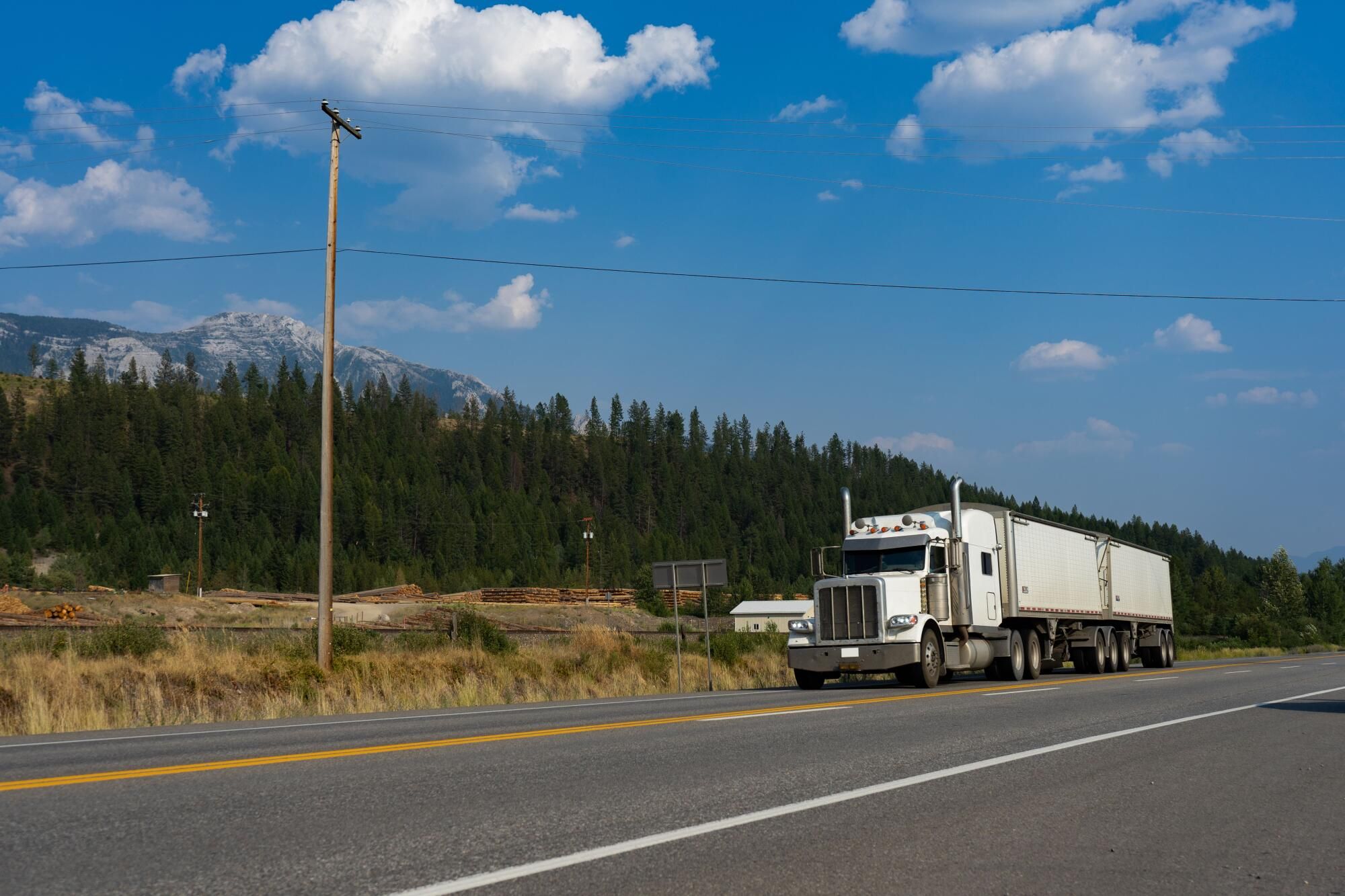
One early statement to a truck crash adjuster, saying you feel okay, speculating about fault, or agreeing to a recorded call, can limit or end a truck crash claim before you understand your rights or the full extent of your injuries.
After a serious truck crash, the phone calls come quickly. An insurance adjuster reaches out within days, sometimes hours, offering sympathy and asking a few questions. It feels like a routine part of the process.
It is not routine. Trucking companies carry commercial insurance backed by legal teams whose job is to limit what they pay. A recorded statement made before you understand the full extent of your truck accident injuries or your rights can follow a claim for its entire life.
What you say in those first days can shape everything that follows.
Why a Truck Crash Claim Is Different From Regular Auto Claims
A semi-truck accident lands in different legal territory than a fender bender between two private drivers. The scale of the vehicles, the severity of the injuries, and the parties involved all push it there.
A trucking company is a business with a commercial insurance policy, federal compliance obligations, and lawyers on retainer. When a crash happens, their team begins building a defense immediately, pulling driver logs, black box data, and maintenance records while the other side is still figuring out what happened.
The compensation at stake reflects the severity of the injuries, which draws more aggressive defense. Walking into that situation without understanding the difference sets a case up to go wrong early.
What Happens When You Talk Too Soon
An adjuster’s questions sound reasonable. How are you feeling? Can you walk me through what happened? Do you have any idea what caused the crash?
Each one is designed to produce an answer that limits what the case is worth. Statements that create problems:
- Saying you feel okay when symptoms have not fully surfaced yet
- Speculating about fault or what the other driver may have been doing
- Accepting partial blame to be polite or to seem cooperative
- Describing the crash in ways that contradict the police report
- Agreeing to a recorded statement before consulting anyone
Adjusters work for the insurer, and their job is to close the insurance claim for as little as possible. A comment that seems harmless in the moment can become the centerpiece of an argument that the injuries were minor or the crash was partly your fault.
What to Do Instead
Seek medical care first, even without obvious symptoms. Injuries from high-impact crashes surface over days, and a gap between the crash and the first medical visit becomes an argument that the injuries were not serious.
Document everything you can at the scene: photos, witness information, the officer’s name and report number, and a written account of what you remember while details are still fresh.
Say nothing on record to any insurer without legal counsel. Zaner Law truck attorneys understand how commercial claims work, what evidence needs to be preserved, and what rights apply from the moment the crash happens.
The First Conversation You Have Should Be With Your Own Attorney
A truck crash claim does not wait for you to feel ready. The other side starts building their case immediately, and every day without representation widens that gap.
Reaching a fair insurance settlement starts with protecting your position early. Say less, document more, and get the right people in your corner.
Visit My Spirit DC for more on the topics and stories shaping life in the DMV.